What you wear to a job interview communicates important messages about your professionalism, attention to detail,
cultural awareness, and respect for the opportunity before you speak a single word. Interview attire choices vary
significantly across industries, company cultures, seniority levels, and geographic regions, making the appropriate
dress code less straightforward than simply wearing a suit. Understanding the principles that guide interview attire
decisions, researching the specific expectations of your target companies and industries, and presenting yourself
with intentional professionalism that aligns with the organizational culture you are seeking to join all contribute
to making the strong first impression that supports your candidacy.

⚠️ Note: This article provides general career information for educational purposes. We are not
employment agencies or career counselors. Dress code expectations vary significantly by industry, company,
region, and culture.
Understanding Interview Dress Code Levels
Formal Business Professional
- When Formal Attire Is Expected: Traditional industries such as banking, finance, law, consulting,
insurance, and government typically expect formal business professional attire for interviews. Executive-level
positions across most industries also generally call for formal attire regardless of the company’s day-to-day
dress code. When in doubt about the appropriate dress level, formal business professional is the safest choice
as it demonstrates maximum respect for the professional context. - Formal Attire Guidelines: Formal business professional typically includes a well-fitted suit in a solid,
conservative color such as navy, charcoal, or black, paired with a collared dress shirt or blouse in a solid or
subtly patterned fabric. Ties in conservative patterns or solid colors complete the traditional formal look.
Footwear should be polished, closed-toe dress shoes in leather or similar professional materials. The key
principles are fit, quality, cleanliness, and conservative presentation. - Formal Attire Details: At the formal business professional level, small details matter significantly.
Ensure buttons are secure, hems are even, fabrics are pressed and free of pills or lint, belts match shoe color
tones, and all accessories are understated and professional. These details collectively communicate the
meticulous attention to presentation that formal business environments value.
Business Professional
- When Business Professional Is Appropriate: Many corporate environments, healthcare administration,
education leadership, real estate, and mid-tier professional services expect business professional attire that
is polished and intentional without the full formality of a complete suit. This dress level is also appropriate
when you know the company environment is professional but not strictly formal. - Business Professional Options: Business professional attire includes blazers or sport coats paired with
dress pants or professional skirts, collared shirts or professional blouses, and polished dress shoes. This
dress level allows slightly more personal expression through color choices, pattern combinations, and accessory
selections while maintaining a clearly professional, intentional appearance.
Business Casual
- When Business Casual Is Appropriate: Technology companies, creative agencies, startups, nonprofit
organizations, and many modern workplaces with relaxed daily dress codes may indicate that business casual
interview attire is appropriate. However, even when told the company culture is casual, interview attire should
be at least one step more formal than the daily dress code to demonstrate respect for the occasion. - Business Casual Guidelines: Business casual interview attire includes collared shirts, clean pressed
chinos or dress pants, professional knit tops, blazers paired with more casual bottoms, and clean professional
footwear. The key distinction from formal attire is the absence of a matching suit and a slightly more relaxed
overall presentation while still maintaining clear professionalism and intentionality. - The Business Casual Trap: Business casual is the most misinterpreted dress code because its definition
varies widely across organizations and regions. When told an interview setting is business casual, err on the
more professional end of the spectrum. A blazer with chinos is almost always appropriate for a business casual
interview, while jeans and a polo shirt may be too casual even in relaxed environments.
Creative and Industry-Specific Attire
- Creative Industries: Fashion, design, advertising, media, and entertainment industries often expect
interview attire that demonstrates awareness of current style trends and personal aesthetic sensibility. While
professionalism remains important, these industries may value stylish, contemporary presentation that reflects
industry awareness and creative confidence. However, creative expression should not override basic
professionalism and should be calibrated to the specific company’s culture. - Technical and Startup Environments: Many technology companies and startups have deliberately casual
cultures where overly formal attire can actually create negative impressions by suggesting cultural
misalignment. Research the specific company culture through their social media, career page photos, and employee
reviews to calibrate your attire appropriately. Even in the most casual tech environments, clean, intentional,
put-together casual attire is more appropriate for interviews than weekend loungewear.
Researching the Right Dress Code
- Company Career Page and Social Media: Many companies publish photos of their offices, team events, and
work environment on their career pages and social media accounts. These images provide valuable clues about the
daily dress code and company culture that help you calibrate your interview attire appropriately. Look for
patterns across multiple images rather than relying on a single photo that may represent a special occasion. - Asking the Recruiter: It is entirely professional and appropriate to ask the recruiter or scheduling
contact about the expected interview dress code. A simple question such as “Could you let me know what the
typical interview attire is at your company?” demonstrates thoughtfulness and cultural awareness rather than
uncertainty. Most recruiters appreciate and expect this question. - Industry Research: If you cannot find specific company dress code information, research the general
expectations for your target industry and seniority level. Industry norms provide reasonable default guidance
when company-specific information is unavailable. - When In Doubt, Dress Up: If you cannot determine the appropriate dress level through research, choose the
next level up from what you expect. Being slightly overdressed is almost always less damaging than being
underdressed for an interview. An overdressed candidate appears to take the opportunity seriously, while an
underdressed candidate may appear to not understand or value professional norms.
Grooming and Personal Presentation
- Hair and Facial Hair: Clean, well-maintained hair that is styled neatly demonstrates professional
attention to personal presentation. There is no single correct hairstyle for interviews, but whatever your
style, it should appear intentional, maintained, and professional. Facial hair should be neatly groomed,
trimmed, and shaped. The principle is clean, intentional presentation rather than any specific style mandate. - Fragrance and Scent: Many workplaces have scent-sensitive environments, and interviewers may have
fragrance sensitivities or allergies. Use fragrance sparingly or not at all for interviews. If you choose to
wear fragrance, apply it minimally so that it is detectable only at very close range. No fragrance is always
safer than too much fragrance, as excessive scent can create physical discomfort for the interviewer and
dominate their impression of the meeting. - Nails and Hands: Your hands are visible throughout the interview, particularly during handshakes and
gestures. Clean, trimmed nails and well-maintained hands present a professional appearance that supports
positive impressions. If you wear nail polish, choose professional, well-maintained finishes rather than chipped
or overly elaborate designs. - Accessories: Choose minimal, professional accessories that complement rather than dominate your overall
appearance. A professional watch, simple jewelry, and a quality bag or portfolio create polished finishing
touches. Avoid accessories that create noise, distraction, or excessive visual competition with your overall
professional presentation.
Practical Preparation
- Fit and Comfort: Well-fitted clothing that allows comfortable movement is essential. Clothing that is too
tight restricts comfortable movement and may appear unprofessional, while clothing that is too loose can look
sloppy or ill-prepared. Try on your complete interview outfit several days before the interview to verify fit,
comfort, and professional appearance. Pay attention to how the outfit looks when sitting, standing, and walking,
as interviews involve all three. - Condition and Maintenance: Inspect your interview clothes carefully for loose threads, missing buttons,
stains, wrinkles, and wear. Press or steam clothing the day before the interview. Polish shoes and clean bags or
portfolios. These maintenance details collectively communicate the careful attention to quality and detail that
professional environments value. - Weather and Commute Preparation: Consider weather conditions and your commute when planning interview
attire. Arriving windblown, rain-soaked, or excessively perspiring undermines even the most carefully selected
outfit. Carry a weather-appropriate layer that you can remove before entering the interview space, wear
comfortable commuting shoes that you can change before the interview if necessary, and allow extra time for
weather-related commute delays. - Complete Outfit Planning: Plan your complete outfit including undergarments, hosiery if applicable, belt,
shoes, jewelry, bag, and outerwear as a coordinated, complete look. Last-minute substitutions and mix-and-match
improvisation can create mismatched or incomplete presentations. Having every element planned and prepared in
advance eliminates morning-of decision stress and ensures a cohesive professional appearance.
Video Interview Attire Considerations
- Color Choices for Camera: Solid colors in medium tones typically appear best on camera. Bright white can
create glare or wash out your appearance, while very dark colors may blend with dark backgrounds. Fine patterns,
thin stripes, and small checks can create distracting visual artifacts on some cameras. Choose solid colors or
subtle patterns that maintain their professional appearance on screen. - Full Professional Attire: Although only your upper body is typically visible during video interviews,
wearing complete professional attire including professional pants and shoes positively affects your confidence,
posture, and psychological readiness. Additionally, unexpected situations such as needing to stand during the
interview can expose casual lower-body choices, creating embarrassing and unprofessional impressions. - Camera Testing: Review your outfit on camera before the interview to check how it appears on screen.
Colors, patterns, and overall presentation can look different on camera than in person or in a mirror. Adjust
your outfit choices based on how they appear on your specific camera setup and in your lighting conditions.
Common Interview Attire Mistakes
- Dressing Too Casually: Underestimating the formality expected for an interview is one of the most common
and impactful attire mistakes. Casual attire in a professional interview setting can suggest that you do not
take the opportunity seriously, do not understand professional norms, or do not respect the interviewer’s time
and the evaluation process. When uncertain, always choose the more formal option. - New and Untested Clothing: Wearing brand-new, untested clothing to an interview risks discomfort, fit
issues, and unexpected problems such as irritating fabric, restrictive movement, or price tags left attached.
Always wear interview clothing at least once before the interview to identify and resolve any issues in advance. - Distracting Elements: Clothing, accessories, or grooming choices that draw attention away from your
qualifications and communication work against your candidacy. Extremely bright colors, large logos, provocative
styles, jangling jewelry, or strong fragrances create distractions that occupy the interviewer’s attention
rather than allowing them to focus on your professional merits. - Ignoring Cultural Context: Interview attire expectations vary across cultures, regions, and industries.
What is considered appropriate professional attire in one cultural or industry context may be perceived
differently in another. Research and respect the specific cultural context of your interview situation rather
than assuming universal standards apply.
Budget-Friendly Professional Attire Strategies
- Strategic Investment Pieces: Rather than purchasing expensive complete outfits, invest in a few high
quality versatile pieces that can be combined in multiple ways to create different professional looks. A
well-fitted blazer in a neutral color, quality dress pants in black or navy, and two or three professional
tops or shirts create multiple outfit combinations that look polished and intentional without requiring a
large clothing budget. Focus your investment on fit and fabric quality rather than brand names or trendy
designs. - Thrift and Consignment Shopping: Professional clothing in excellent condition is frequently available at
thrift stores, consignment shops, and online resale platforms at a fraction of retail prices. Focus on classic
styles in good condition and invest the savings in professional alterations that ensure perfect fit. A
tailored secondhand blazer often looks more professional than a poorly fitting new one at several times the
price. - Capsule Professional Wardrobe: Build a small capsule wardrobe of interchangeable professional pieces
that all coordinate with each other. This approach maximizes the number of outfits you can create from a
minimal investment while ensuring that every piece works with every other piece. A capsule of eight to ten
well-chosen items can create enough outfit variations for multiple rounds of interviews and the first weeks
of a new position. - Clothing Care and Maintenance: Proper care extends the life and appearance of professional clothing
significantly. Learn basic garment care including proper washing, ironing, stain treatment, and storage
techniques. Investing time in clothing maintenance reduces the frequency of replacement purchases and ensures
your professional wardrobe always looks fresh and well-maintained for interview occasions.
Cultural and Regional Dress Code Considerations
- International Interview Attire: Dress code expectations vary significantly across cultures and
countries. What is considered appropriately professional in one cultural context may be perceived as too
casual, too formal, or culturally inappropriate in another. Research the specific cultural norms of the region
and organization where you are interviewing, particularly for international or multinational companies where
cultural awareness itself is a valued professional competency. - Religious and Cultural Accommodation: Professional attire that accommodates religious obligations or
cultural practices is entirely appropriate for job interviews. Head coverings, modest dress requirements, and
other culturally significant clothing elements can be incorporated into professional interview attire that
looks polished and intentional. The key principle remains the same: clean, maintained, intentional presentation
that demonstrates respect for the professional context while honoring your cultural identity. - Regional Variations Within Countries: Interview dress code expectations often vary even within the same
country based on regional business cultures. Major financial centers may expect more formal attire than
technology hubs, suburban offices may be more casual than downtown corporate environments, and rural or
small-city employers may have different expectations than metropolitan organizations. Regional research
provides important calibration for your attire decisions. - Season and Climate Adaptation: Professional attire must adapt to seasonal weather conditions while
maintaining polished presentation. Summer interviews in hot climates may permit lighter fabrics and fewer
layers while still requiring professional appearance. Winter interviews may require managing outerwear, wet
weather gear, and temperature transitions between outdoor commuting and indoor interview settings. Plan your
complete commute-to-interview transition so that you present professionally regardless of weather conditions
encountered during travel.
Accessories and Professional Styling Details
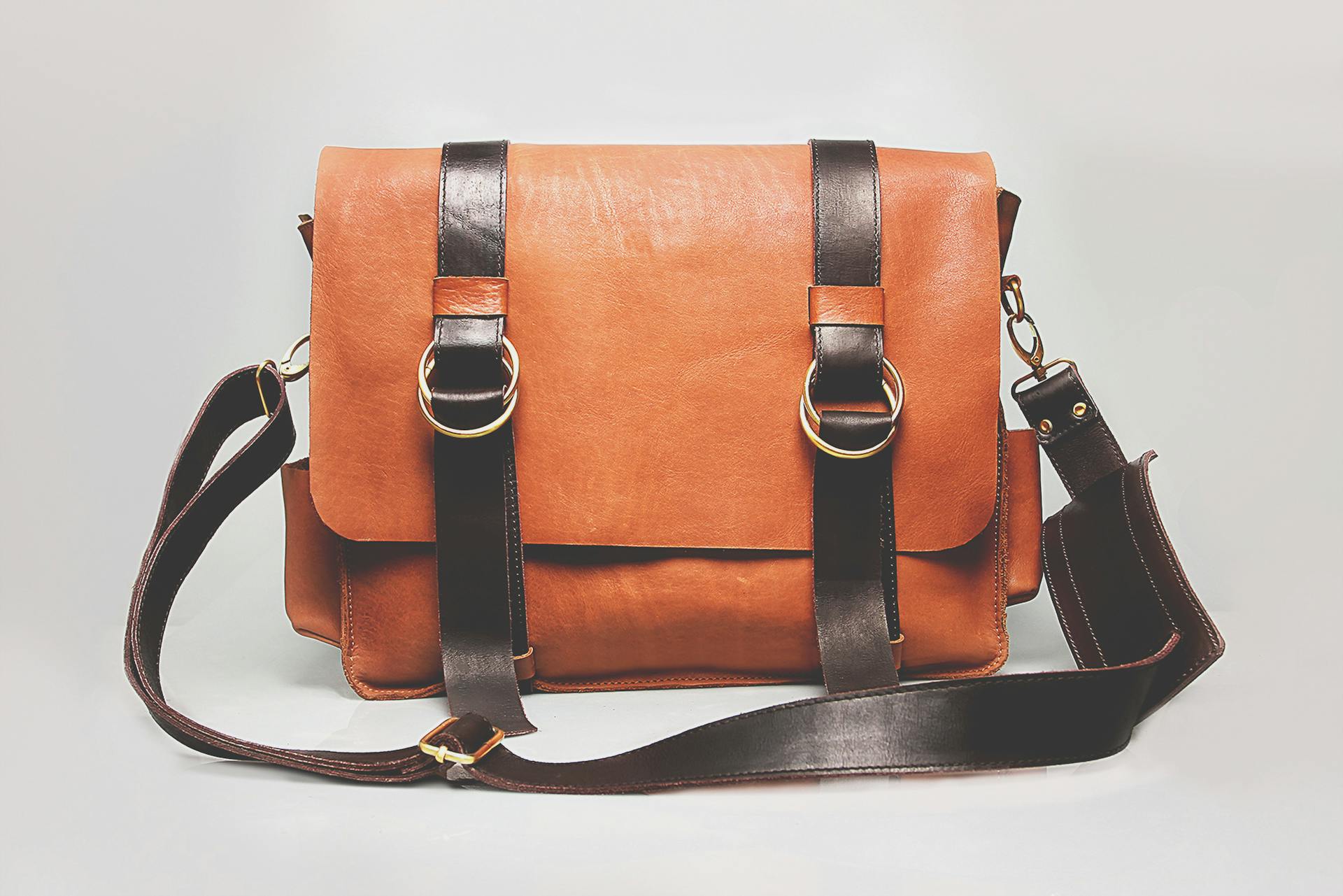
- Professional Bags and Portfolios: The bag or portfolio you carry to an interview contributes to your
overall professional presentation. Choose a clean, professional bag in a neutral color that is large enough to
hold your documents, notebook, and personal items without appearing overstuffed or disorganized. A leather or
professional-quality portfolio creates a polished impression when you reference documents or take notes during
the interview. Avoid overly casual bags such as backpacks or gym bags unless you know the company culture
explicitly supports this level of casualness even in interview contexts. - Shoes as a Critical Detail: Shoes are one of the most commonly noticed details during professional
interactions. Polished, well-maintained, professional footwear in a style appropriate to your outfit and the
interview formality level completes your professional presentation. Scuffed, worn, or inappropriate shoes
can undermine an otherwise excellent outfit because many professionals subconsciously notice and evaluate
shoe quality as an indicator of attention to detail and personal standards.
Conclusion
Interview attire is a strategic professional tool that communicates respect, awareness, attention to detail, and
cultural fit before you begin demonstrating these qualities through your words and actions. By researching the
appropriate dress code for your target company and industry, investing in well-fitted and well-maintained
professional clothing, attending to grooming and presentation details, and adapting your approach for different
interview formats and contexts, you ensure that your appearance supports rather than undermines the strong
professional impression that your qualifications and preparation have positioned you to make.
What interview attire advice has been most helpful to you? Share your experiences and tips in the comments
below!
About the Author